

5 mm toughened glass price
The Importance and Implementation of Grounding in Welding Operations Welding is an essential process in various industries, from automotive to construction, where strong and durable metal joints are crucial. One of the often-overlooked aspects of welding safety and effectiveness is grounding. Proper grounding not only ensures the integrity of the welds but also significantly enhances the safety of the welding operation. In this article, we will explore the significance of grounding in welding, the methods for effective grounding, and the consequences of neglecting this critical aspect. The Significance of Grounding in Welding Grounding in welding refers to the practice of connecting the welding machine to the workpiece or the welding table to establish a low-resistance path for electrical current. This process is pivotal for several reasons 1. Safety Proper grounding helps prevent electrical shocks which can be fatal. In welding operations, the presence of high voltage increases the risk of electric shock. A well-grounded setup diverts stray currents, reducing the potential for hazardous situations. 2. Quality of Welds Grounding is essential for achieving high-quality welds. A poor ground can lead to unstable arcs, excessive spatter, and incomplete fusion, ultimately compromising the strength and integrity of the weld. Consistent grounding ensures stable arc length and smooth operation. 3. Equipment Protection Grounding helps protect welding equipment from damage due to electrical surges. Without proper grounding, equipment can suffer from overheating or failure, leading to costly repairs and downtime. 4. Compliance with Regulations Many safety regulations and standards mandate proper grounding in welding operations. Adhering to these standards not only promotes safety but can also be a legal requirement for businesses in the welding industry. Methods for Effective Grounding Implementing grounding in welding operations involves specific techniques to ensure a reliable and safe connection 1. Using a Ground Clamp The most common method is attaching a ground clamp to the workpiece. The clamp should be firmly secured to a clean, unpainted surface to minimize resistance. Using a copper or bronze clamp can enhance conductivity. grounding welding table 2. Grounding Rods For larger operations or outdoor welding, grounding rods can be driven into the earth to provide a solid grounding point. This is particularly useful in mitigating any high-voltage surges that may occur during welding. 3. Welding Table Grounding For welding tables, a dedicated grounding cable can be attached directly to the table structure. This setup requires all workpieces to be in contact with the table, ensuring a conductive path between the machine and the workpiece. 4. Regular Maintenance Grounding systems should be regularly inspected and maintained. Connections can loosen over time, and corrosion can develop, affecting conductivity. Regular checks ensure a continuous and effective grounding system. Consequences of Neglecting Grounding The failure to properly establish grounding can lead to severe complications 1. Increased Risk of Electrical Shock An ungrounded system poses a serious shock hazard to welders and nearby personnel. Electrical surges can also create arc flash incidents, resulting in injuries or fatalities. 2. Subpar Weld Quality Poor grounding leads to inconsistent arc stability, which can cause weld defects. The integrity of critical structures can be jeopardized, leading to potential failures that could endanger lives. 3. Equipment Damage Neglecting grounding may result in costly damage to welding equipment, leading to downtime and financial loss. Repairing or replacing damaged equipment can strain the budget and delay project completion. 4. Legal Ramifications Businesses that fail to follow grounding regulations may face legal penalties, including fines and shutdowns. Ensuring a safe and compliant welding operation is crucial for long-term success. Conclusion In conclusion, grounding is a fundamental aspect of welding operations that is often underestimated. Its significance in ensuring safety, weld quality, and equipment protection cannot be overstated. By employing effective grounding techniques and adhering to proper safety measures, welders can create a safer working environment and achieve superior results in their projects. As welding professionals continue to advance their skills and technologies, prioritizing grounding will be essential in fostering a culture of safety and excellence in welding practices.
about
5 mm toughened glass price
Pilot Controlled Check Valve En Nøglekomponent i Hydrauliksystemer I hydrauliksystemer spiller forskellige komponenter en væsentlig rolle i at sikre, at systemet fungerer effektivt og pålideligt. En sådan komponent er pilot controlled check valve, eller på dansk, pilothåndteret tilbageholdelsesventil. Denne ventil type er designet til at forhindre tilbageflow i systemet, samtidig med at den muliggør kontrol af flowretningen under specifikke forhold. I denne artikel vil vi se nærmere på funktionaliteten, anvendelserne og fordelene ved pilothåndterede tilbageholdelsesventiler. Funktionalitet En pilothåndteret tilbageholdelsesventil fungerer ved hjælp af en pilotfunktion, der leverer en mekanisme for at åbne og lukke ventilen baseret på hydraulisk tryk. Det primære aspekt ved disse ventiler er, at de tillader flow i én retning, men kan åbnes i den modsatte retning ved hjælp af et lavere tryk, som styres af en pilotventil. Dette betyder, at mens den primære flowvej er lukket for at forhindre tilbageflow, giver det pilotaktiverede system mulighed for at overvinde denne lukning under kontrollerede forhold. En sådan mekanisme er afgørende i systemer, hvor der kan opstå trykforskelle, som kan skade udstyret eller påvirke systemets integritet. Ved at benytte en pilothåndteret tilbageholdelsesventil kan operatøren sikre, at flowet forbliver stabilt og effektivt, mens risiciene for trykpik og skader minimeres. Anvendelser Pilothåndterede tilbageholdelsesventiler anvendes i en bred vifte af industrier og applikationer. De ses ofte i hydrauliksystemer, der bruges i maskiner som gravemaskiner, kraner, og landbrugsudstyr. Disse ventiler er også essentielle i systemer, der beskæftiger sig med flydende medier, såsom olie- og gasproduktion, vandforsyning og industrielt udstyr. pilot controlled check valve En af de mest almindelige anvendelser er i hydrauliske systemer, hvor sikkerheden og effektiviteten er altafgørende. Ventilernes evne til at forhindre tilbageflow beskytter også mod potentielle skader på pumper og ventiler, hvilket kan medføre store omkostninger for virksomheder. Desuden anvendes disse ventiler ofte i applikationer, hvor der kræves præcis kontrol over flowet, såsom i automatiske systemer og proceskontrol. Fordele Der er flere fordele ved at anvende pilothåndterede tilbageholdelsesventiler. For det første sikrer de optimal beskyttelse mod tilbageflow, hvilket forlænger levetiden på udstyret og reducerer vedligeholdelsesomkostningerne. Samtidig muliggør de en effektiv og kontrolleret drift af hydrauliksystemer, som kan tilpasses forskellige operationelle krav. Desuden giver de en høj grad af fleksibilitet. Pilotfunktionen kan nemt justeres til at imødekomme specifikke flowkrav, hvilket gør disse ventiler ideelle til dynamiske systemer, hvor forholdene kan ændre sig hurtigt. Deres kompakte design betyder også, at de let kan integreres i eksisterende systemer uden at kræve omfattende modifikationer. Konklusion Pilothåndterede tilbageholdelsesventiler er uundgåelige komponenter i moderne hydrauliksystemer. Deres evne til at kontrollere flowretningen effektivt og sikre, at der ikke opstår tilbageflow, gør dem til en vital del af mange industrielle applikationer. Med de mange fordele, de tilbyder, er det klart, at disse ventiler vil fortsætte med at spille en afgørende rolle i optimeringen af hydrauliske systemer overalt.
-

High quality industrial productsagement

High quality industrial products
View Details -

Meet the diverse needs of customers

Meet the diverse needs of customers
View Details -

Strict quality control

Strict quality control
View Details -

Top raw materials

Top raw materials
View Details -

Trusted supplier

Trusted supplier
View Details
Our application


news and information
Valvola a farfalla da 1,5 pollici per applicazioni industriali e domestiche
Valvola a Farfalla da 1.5 Pollici Un Elemento Chiave nel Settore Industriale Le valvole a farfalla s
Various Types and Applications of Knife Gate Valves in Industrial Solutions
Types of Knife Gate Valves A Comprehensive Overview Knife gate valves are essential components in va
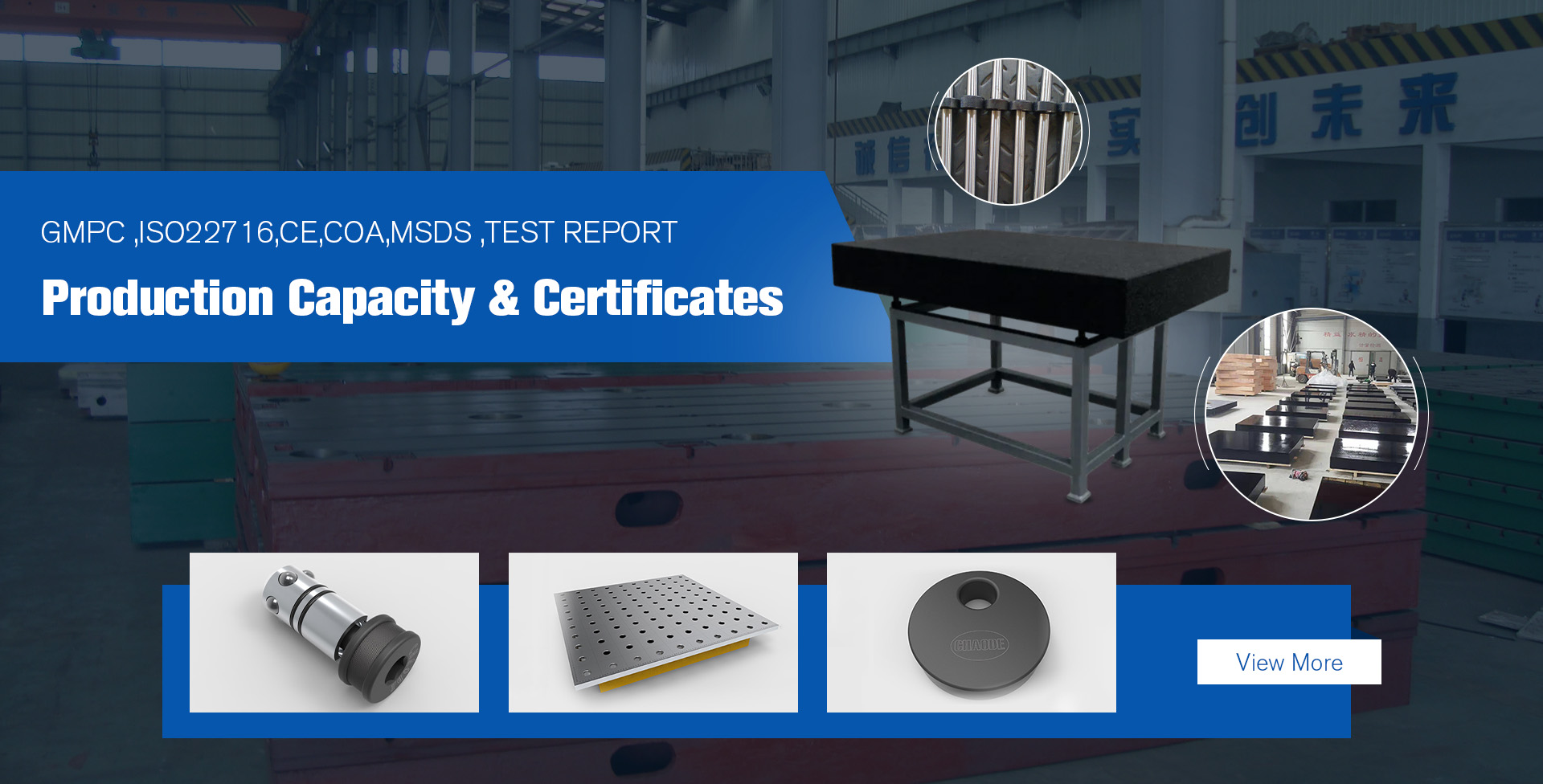
Versatile 4x4 Welding Table for Efficient Metal Fabrication and Assembly
The Versatility and Utility of a 4x4 Welding Table In the world of metalworking and fabrication, hav
 English